
World Cancer Day is an initiative of the Union for International Cancer Control (UICC), the largest and oldest international cancer organisation dedicated to taking the lead in convening, capacity building and advocacy initiatives that unite the cancer community to reduce the global cancer burden, promote greater equity, and integrate cancer control into the world health and development agenda.
The day was born on the 4 February 2000 at the World Summit Against Cancer for the New Millennium in Paris. The Paris Charter aims to promote research, prevent cancer, improve patient services, raise awareness and mobilise the global community to make progress against cancer, and includes the adoption of World Cancer Day.
As one of the leading cancer centres in the country, the Kent Oncology Centre continues to offer our patients some of the fastest possible access to treatment, using state-of-the-art technology in an environment which continues to expand every year. The Trust cared for over one million patients in 2025, including nearly 100,000 MRI and CT scans and over 50,000 radiotherapy treatments as our sites saw a record-breaking year across our services.
The Trust has nearly 8,000 colleagues working together as one team to ensure our cancer services offer patients the best possible outcomes. Below you can find out more about just some of them!
 You can also read the National Cancer Plan, launched today by the Department of Health and Social Care and NHS England on 4 February 2026, which sets out how improvements will be made over the coming decade.
The key commitments of the plan include:
- drive up cancer performance and meet cancer waiting times standards by 2029
- improve cancer survival
- improve quality of life for people being diagnosed with, treated for or living with cancer
The Plan’s central ambition is that by 2035, more people will survive cancer or live well with cancer, delivering the fastest improvement in cancer survival this century.
Dr Catherine Harper-Wynne, Consultant Medical Oncologist
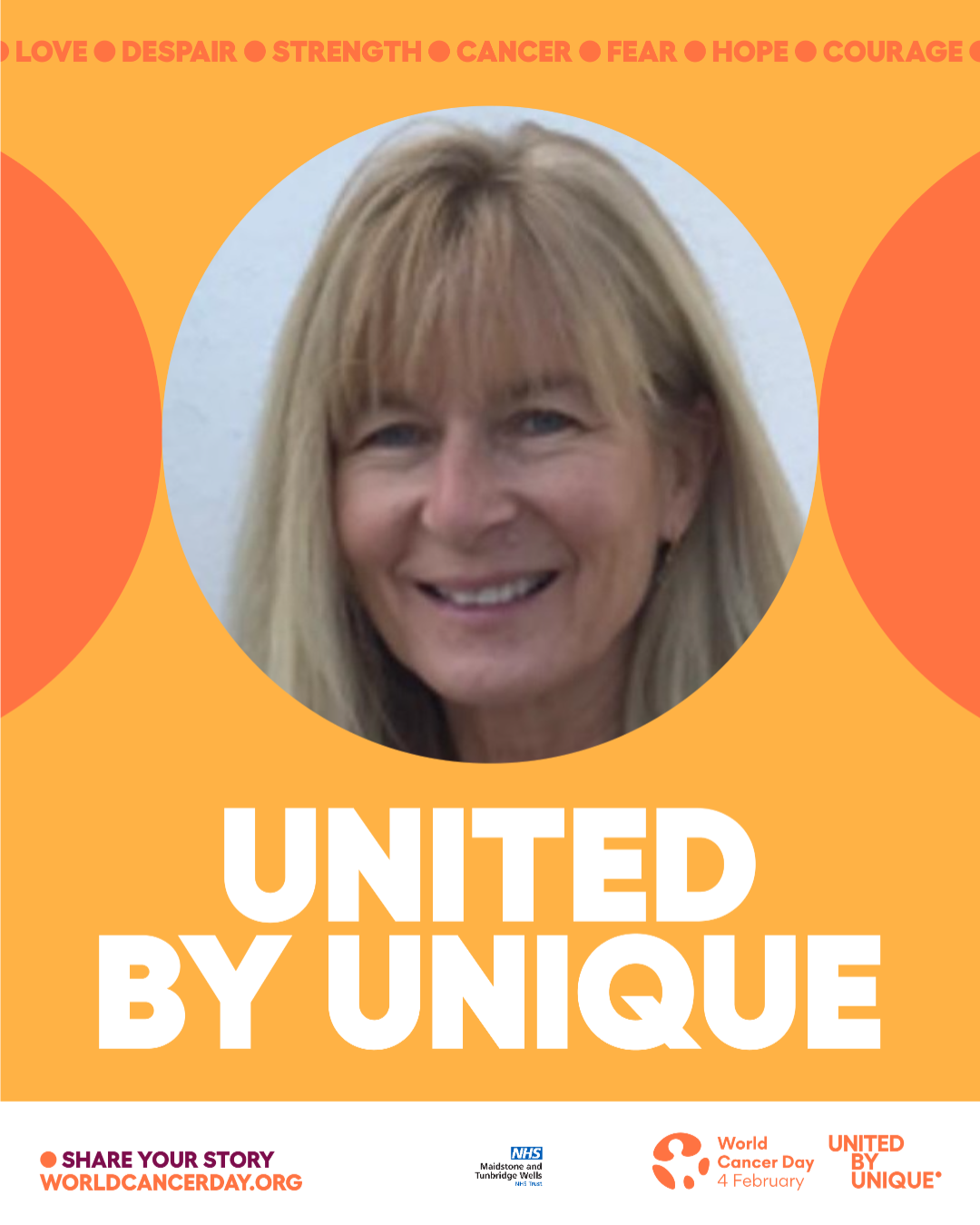 Tell us about your career and your role…
I am a Consultant Medical Oncologist, responsible for the management and treatment of breast cancer at Maidstone Hospital, Kent Oncology Centre. I trained at the Royal Marsden Hospital, completing an MD research project in hormone related breast cancer. The combination of clinical care and clinical research was the attraction to a career in oncology and specifically breast oncology. This specialty and the patients that I care for, continues to inspire me. We continue to drive forward with new regional approaches, and service developments within cancer care, which will improve quality and equity of service in our county and surrounding region.
Tell us an interesting fact about your role…
Outside of the clinic, I have been involved in developing policy for breast cancer management at national level working as a representative on the NHSE Clinical Advisory Group. I was appointed as Co-Chair of the UK Breast Cancer Group in December 2022 and will chair the 2028 UK Interdisciplinary Breast Cancer Symposium. There is a strong oncology research culture within the county. Over many years, we have been one of the highest recruiters to international breast cancer trials. As the current the Oncology Research Lead for the Trust, we continue to do this as a team, and work in partnership with our patients to provide a portfolio of clinical trials that offer patients accessibility to “tomorrow’s treatment today”.
What do you enjoy about working for MTW?
Breast oncology care at MTW is centred around a team approach, including nurses, pharmacists, radiographers and radiologists, and the team continues to grow as the treatment and care becomes more complex. It is this team-based approach that really makes working an enjoyable and satisfying process, in the knowledge that patient care and experience has improved and continues to improve by adopting this model.
Why are days such as World Cancer Day important?
World Cancer Day is important, as although cancer does have a high profile internationally, there is more work to be done. Nationally we must cope with the success of cancer care, resulting in the ever-increasing number of patients living longer with cancer. This has other potential health and social problems for individuals, and to our health care system. Internationally we need to be mindful of the inequity across the globe and how we can assist the developing world in accessing good care.
Tell us an interesting fact about you…
Outside of work I shake it all off by singing in a local popular music band!
Sedhu Madhavan, Therapeutic Radiographer
 Tell us about your career so far and what your role involves…
I began my career in radiotherapy after completing a degree in therapeutic radiography, where I developed a strong passion for the technical precision involved in treatment delivery and the patient-centred approach of the role. Since qualifying, I have gained experience working across multiple clinical settings. My work has covered important areas such as pre-treatment preparation, accurate treatment delivery, and providing ongoing support to patients. This experience helped me better understand radiotherapy and strengthened my commitment to providing high-quality, caring, and professional treatment.
In my current position, I am responsible for performing daily machine QA and managing of radiotherapy treatments, ensuring they are delivered safely and accurately using advanced imaging and treatment technologies to achieve optimal patient outcomes. I work closely with oncologists, physicists, and planning radiographer team to tailor treatments to individual patients, while also providing reassurance, education, and emotional support. A key part of my role maintains high standards of quality assurance, patient safety, and professional practice, all while actively enhancing my skills to keep up to date with advancing techniques and protocols, as well as fulfilling my continuing professional development requirements.
What has been the highlight of your career so far?
The best part of my job so far has been seeing how good radiotherapy can change patients’ lives for the better. One special moment was when I helped a patient who was very anxious about their treatment. I took time to talk with them, answered their questions, and adjusted my approach to what they needed. Working with my team, I was able to make them feel more confident and supported. Watching their confidence grow and knowing I helped them was truly rewarding.
A major highlight for me has been growing my confidence and skills as a radiotherapy professional. I started with training and worked hard to become someone who can deliver treatments on my own. I feel proud to take part in team discussions where we share ideas and make important decisions together. I also take responsibility for keeping patients safe during their treatments. All these experiences have helped me become a better professional and support our patients effectively.
What do you most enjoy about your role?
What I enjoy most about my job in radiotherapy is knowing that I help people during a hard time in their lives. I appreciate that my work treats cancer and can truly make a difference in a patient’s health and comfort. I get to support patients, help them feel safe, and be part of a team that aims to improve their outcomes. Since patients often visit us every day for several weeks, we build strong relationships with them, which is very rewarding for everyone involved.
Tell us an interesting fact about your role?
An interesting fact about my job in radiotherapy is that we plan the treatment very carefully. This helps us to target a tumour within just a few millimetres, which is great for treating cancer while keeping healthy tissue safe. Each session is usually painless and lasts only a few minutes. Modern techniques allow us to adjust the radiation dose if the patient’s body changes during treatment. This precision makes radiotherapy effective and helps many people fight cancer more safely.
Tell us something about you…
I am someone who really values learning, teamwork, and having a good balance in life. I stay calm and organised, even when things get busy in the days. I love connecting with people, both patients and coworkers, and I take pride in being reliable and friendly. I always want to learn new skills and face new challenges. In my free time, I enjoy traveling, spending time with friends, and watching movies from different genres, which helps me relax and unwind.
Karen Grant, Medical Secretary
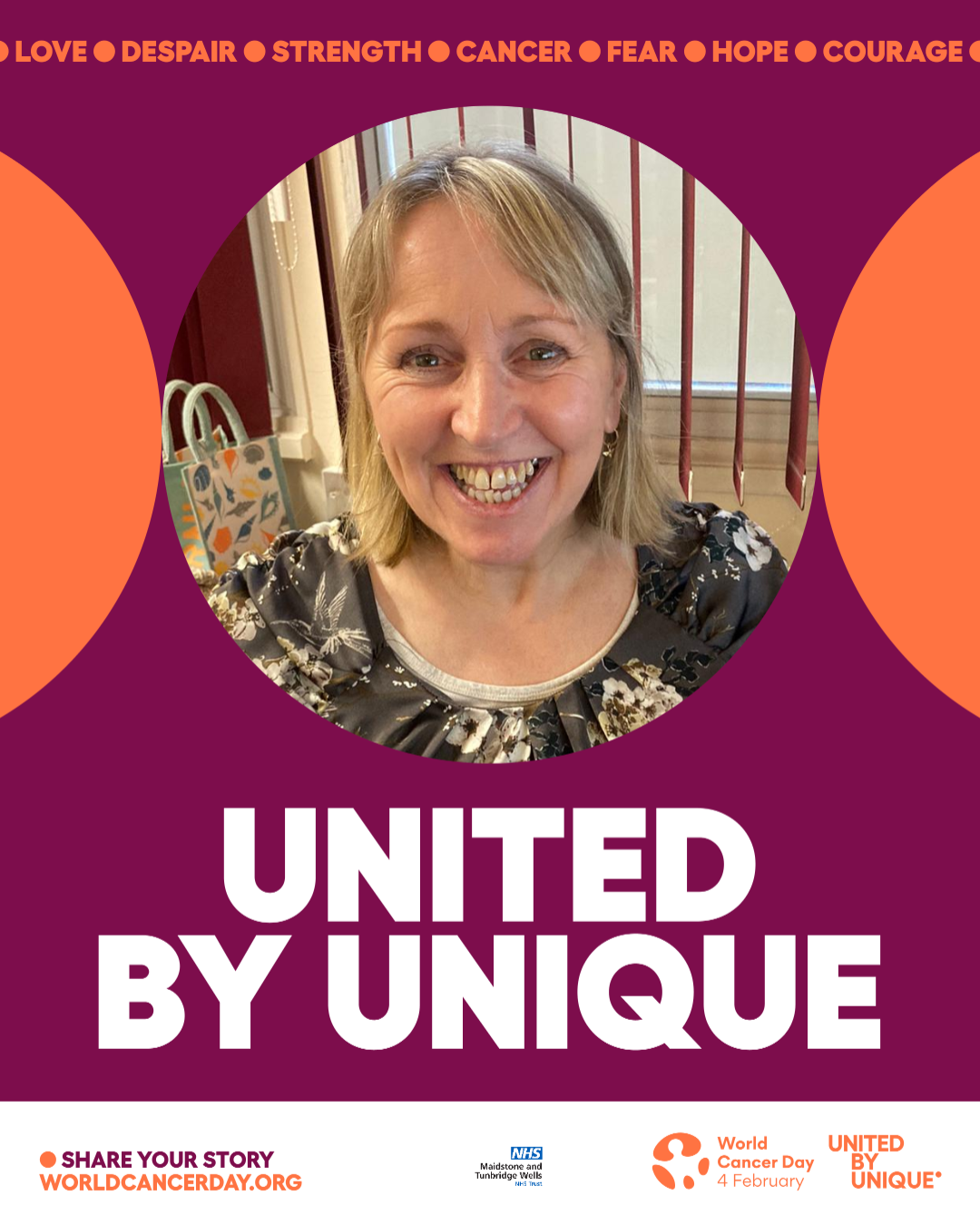 Tell us about your career…
I have enjoyed working for four different Trusts spanning across 12 years including KCHFT, EKHUFT, Hillingdon Hospital NHS Trust and now MTW. During this time, I’ve been able to work across a wide range of different specialties, including child health, geriatrics and occupational health.
What does your role involve?
I work from MTW’s Canterbury site and my role involves patient communications to a high standard, via email and phone and sometimes face to face. Ensuring patient information is correct is vital in our field, and that it goes out in timely fashion to the patient and relevant teams such as GP’s and onward referrals.
Why is your role so important and what inspires you to do it?
This role is important because we are the first point of contact for most patients and we represent our Trust. I am inspired to do what I do because I love helping people and I’m passionate about the role because I believe I make a difference to our patients and their experiences with us at MTW.
Why are days like World Cancer Day so important?
World Cancer Day is important because it raises awareness and funding which is crucial especially now as cancer now affects one in two people.
What has been the best moment of your career?
Too many to mention! Getting voted for employee of the month and all the thank you cards from patients means so much. No two days are the same in this role and I always find myself learning something new.
Tell us an interesting fact about you…
Also too many to mention! I’m ex-Army and ex-Police and also a member of the RSPB, Kent Wildlife Trust and Friends of the Earth. I try to be an eco-warrior and enoy wildlife gardening and sea swimming! I also used to live in Germany for five years.
What do you enjoy most about your role?
No two days are the same in this role and I always find myself learning something new. I love the team I work with and the patients I help every day.
Claire Ryan, Macmillan Consultant Nurse Metastatic Breast Cancer
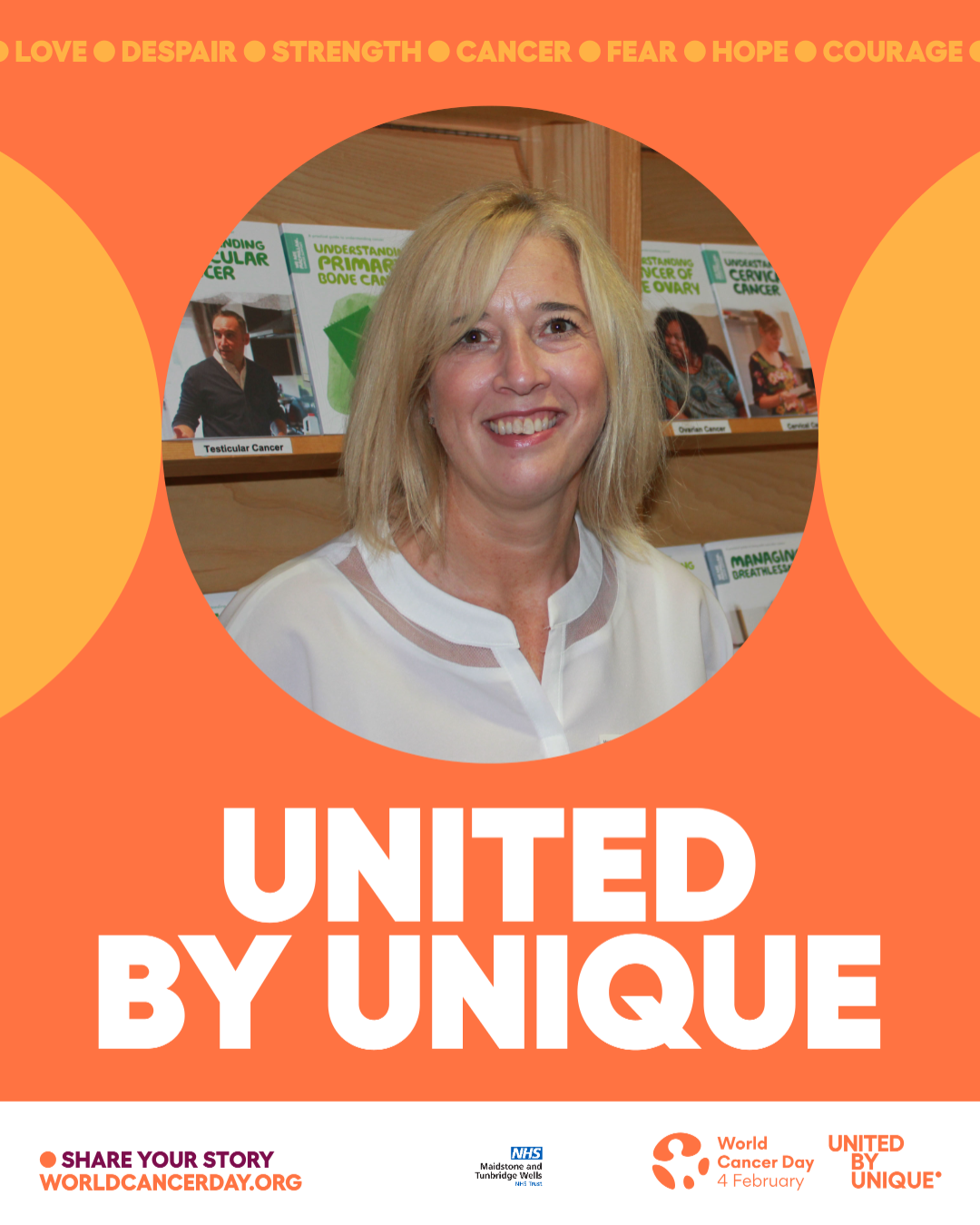 Tell us about your career so far and what your role involves…
I have been a registered nurse for 35 years, and worked in Breast Oncology for 31 years. My general nurse training was at University College London Hospital, and The Middlesex Hospital, in 1991. I completed my cancer nursing training at The Royal Marsden Hospital. I have had the privilege of developing 2 services in my career, namely a Clinical Trials Unit where I was the Lead Research Nurse for 17 years. I was appointed as one of the first Consultant Nurses in the UK working in breast cancer in 2014, and still remain the only Consultant Nurse with a role dedicated to the specialty of metastatic breast cancer.
What makes you passionate about your role?
Aside from my day to day nursing role, I am passionate about health care professional education, succession planning for the future workforce working with the specialty. I lecture widely at national and international conferences, chair national meetings, and sit on expert management groups, Department of Health and pharmaceutical advisory groups, and frequently act in a consultative role to national charities Breast Cancer Now and Macmillan. Being involved in policy to improve equity in patient service and care, as well as share best practice for the national community affected by metastatic breast cancer, is as important as looking after my own patient group.
I was appointed Trustee to national charity Breast Cancer Now in 202s. This role allows me to influence change, enhance and empower the patient experience beyond the clinic room for those patients and their families affected by the diagnosis.
What has been the highlight of your career so far?
There are many highlights and too many to mention, but opportunities to celebrate the highlights stem for the opportunity of an advancing, consultant level of nursing practice.
However, one highlight of my career has been the opportunity to work with co-authors to develop a European nurse education programme on metastatic breast cancer.. The modules that I have written have been translated into multiple languages, for the European Oncology Nursing Community.
Another highlight has been stepping into a Trustee role in September 2022, with national charity Breast Cancer Now. Finally, and most recently celebrating in October 2025, the 10th anniversary of the meet up group which I set up in 2014, which was acknowledged non-other than HRH Catherine Princess of Wales. The attendees of the group having written to the palace gifted me the responding communication as a thank you for my support of the patient community.
What do you most enjoy about your role?
The role allows you to be curious about people, my husband thinks it’s just being nosey! But the privilege of the role offers the opportunity to make a difference in the clinic, no matter how small, to someone who is maybe worried, feeling vulnerable, uncertain about their future. My role and national profile allows the opportunity to influence change with policy and practice beyond the clinic room. It’s a responsibility I take seriously, but is the essence for reason I continue to nurse.
Tell us an interesting fact about your role…
The local and national role that I have allows a platform for influencing and empowering this patient group. I have the privilege to meet many inspiring patient advocates and professionals working globally for collaborative enterprise in policy, education and research.
I remain the only nurse as Trustee on the board of Breast Cancer Now and take the responsibility diligently.
In October 2023 I was invited by Amanda Holden and Jamie Theakston to Heart FM to talk about Breast Cancer Awareness Month. Media is so very different to the clinical work space.
Tell us something about you…
I have a really supportive husband and family that allow me the opportunities of my career and role.
I love to travel and learning about new cultures. I enjoy long walks, and exploring new hiking trails. I’m a feeder and love to cook for family and friends. I love the arts, and you can easily find me wondering the V & A Museum or a performance at the theatre.
David Margetts, Deputy Head of Physics Engineering
 Tell us about your career so far…
I’ve worked all over the world, with many different companies, mostly on medical devices of one sort or another, and now find myself doing what I enjoy most, fixing complex equipment which helps people recover from cancer.
Briefly tell us what your roles involves…
I work within a team that looks after linear accelerators and CT scanners, ensuring they work well when they are needed.
What do you most enjoy about your job?
Every day is different and there’s scope for personal improvement – even at my great age!
Why is your role so important?
The systems we work on are used daily to help patients recover from cancer, so their presence and availability for use is a key factor in the patient’s chances of recovery.
What inspired you to do what you do?
I never aspired to work in medical physics – it all sort of happened by accident, but that said, I’ve always been very proud of working within the medical environment.
What makes you passionate about your role?
Hearing patients ring the ‘End of treatment bell’, (which marks the completion of their radiotherapy sessions), lets us know in some small way that we’ve helped another patient in their battle with cancer.
What has been the best moment of your career?
My whole career has been largely ‘best moments’ interspersed with occasional worst moments, but if I had to pick one event – it would be seeing an investment of time, patience and the coaching of an employee paying off in their individual success.
Tell us an interesting fact about your role…
I’m a STEM ambassador within the local schools and enjoy attempting to instil enthusiasm in our youngsters about science and technology.
Tell us an interesting fact about you…
I have a new hobby which involves building quarter-scale Land Rovers for my grandkids to drive around.
Shilpa James, MDT Co-ordinator
 Tell us about your career so far and what your role involve…
After relocating to the United Kingdom in 2022, I joined NHS in Kent and Medway NHS & Partnership Trust (KMPT) as an Administrative Assistant. In 2023, I joined MTW as a Pathway Navigator within the Cancer Performance team. In this position, I carry out a range of administrative responsibilities, including managing Patient Tracking Lists (PTL), supporting and coordinating the Multidisciplinary Team meeting (MDM), monitoring cancer pathways against national targets, and liaising with clinical teams to ensure timely patient care and accurate data reporting.
What do you enjoy most about the role…
I particularly enjoy supporting cancer pathways and contributing to the delivery of timely, high-quality patient care. Working closely with multidisciplinary clinical teams, managing PTLs, and supporting MDMs is both engaging and rewarding, and helps me make a meaningful contribution to service performance and patient outcomes.
Why are days such as World Cancer Day important?
World Cancer Day is important because it raises global awareness about cancer, promotes prevention, early detection, and treatment, and supports those affected by the disease. It also highlights the need for equitable access to quality care, helps reduce stigma and misinformation, and brings governments, healthcare organisations, and communities together to improve cancer outcomes worldwide.
Tell me something about you…
I’m mostly figuring things out as I go – currently that means experimenting on the piano and convincing myself it counts as “practice.”
Hannah McKie, Apprentice Therapeutic Radiographer
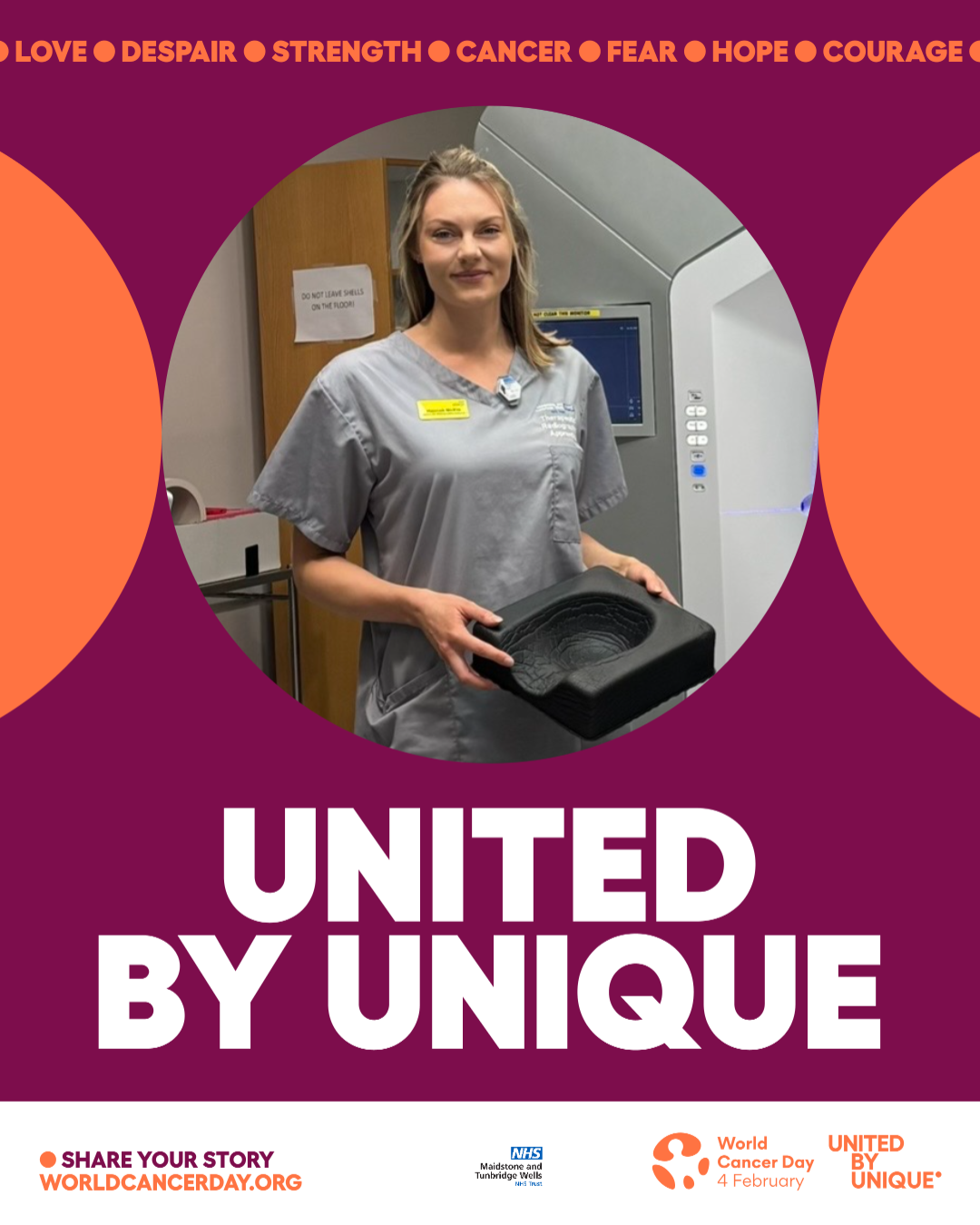 Tell us about your career so far and what your role involves…
Up until the beginning of last year, I’d only ever worked behind a desk, mainly for charities and the NHS in recruitment, commissioning and project management. These jobs sparked a desire to move into a clinical, patient-facing role where I could have a more direct impact on patient care.
In February last year, I started as an Apprentice Therapeutic Radiographer at Maidstone Hospital. My role involves supporting the delivery of radiotherapy treatments by helping to prepare and position patients, ensuring accuracy through precise set-up and imaging, and offering support and reassurance through what can be a very challenging time for patients.
I am almost at the end of my first year of the apprenticeship, with two years still to go. It has been a big change for me, but one that has been incredibly rewarding.
What has been the highlight of your career so far?
I think starting this completely new role has been the highlight of my career so far. I feel very grateful to be in a role that gives me such a strong sense of purpose and privileged to work with and learn from my colleagues while supporting people as they go through cancer treatment. Even though the role is busy and can be emotionally challenging, I am lucky to have little highlights every day.
What do you most enjoy about your role?
What I enjoy most is working with so many different people. Having seen my sister go through chemotherapy and mum go through surgery then radiotherapy, I understand how daunting treatment can feel for patients and their loved ones. I often see the same patients every day for a few weeks, which means I can really get to know them and what helps them feel most supported. A lot of the time that is chatting about everyday things, like the book they’re reading or their nail polish, but it might also be adjusting how I support them if they’re feeling really anxious. Being able to build trust and rapport is one of the most rewarding parts of my role.
Tell us an interesting fact about your role…
I hadn’t quite appreciated quite how much planning and checking happens behind the scenes before a patient even starts radiotherapy. Every patient’s treatment is meticulously tailored to their anatomy and prescription, it’s definitely not a one size fits all.
Another thing I’ve come to realise is how side effects can look very different from person to person. For example, skin reactions don’t always look the same and can present differently across different skin tones. This has really highlighted the importance of inclusive language and culturally sensitive care as well as how important it is to properly listen to patients and their experiences, so that every patient feels informed and understood.
Tell us something about you…
When I was growing up, family holidays almost always consisted of hiking, usually in the rain. We’d often get lost in a peat bog somewhere and have to find our way back using a map and compass. My dad said this was on purpose, now I’m not sure. I have inherited the love of walking and try to drag my husband around the 27-mile Tunbridge Wells Circular Walk at least once a year.