The first results of a trial where pioneering reconstructive knee surgery is offered to young patients who have torn their anterior cruciate ligament (ACL) have received an award at a national conference.
The ACL is a band of tissue inside the knee which helps it move and stay stable. ACL injuries happen if you hit or twist your knee or quickly change direction or speed when running or walking, and are often seen in people who play sports such as football, netball or skiing.
Globally, studies have shown rising ACL injuries in under 18s, with increases of up 143% in girls aged 13-15.
Maidstone and Tunbridge Wells NHS Trust is the only trust in the UK offering a new type of surgery as part of the LivD-ACL study, where children have their ACL reconstructed using a parent’s hamstring.
The project is led by Consultant Orthopaedic Surgeon, Nick Bowman who said: “This new technique means child’s own hamstring tendons are not disrupted, which improves their recovery.
“The tendon taken from the parent will be larger, making it more suitable as the child grows, which we hope will reduce the re-injury rate. And if the child is injured later in life, they still have their own hamstring which could then be used to repair a tear.”
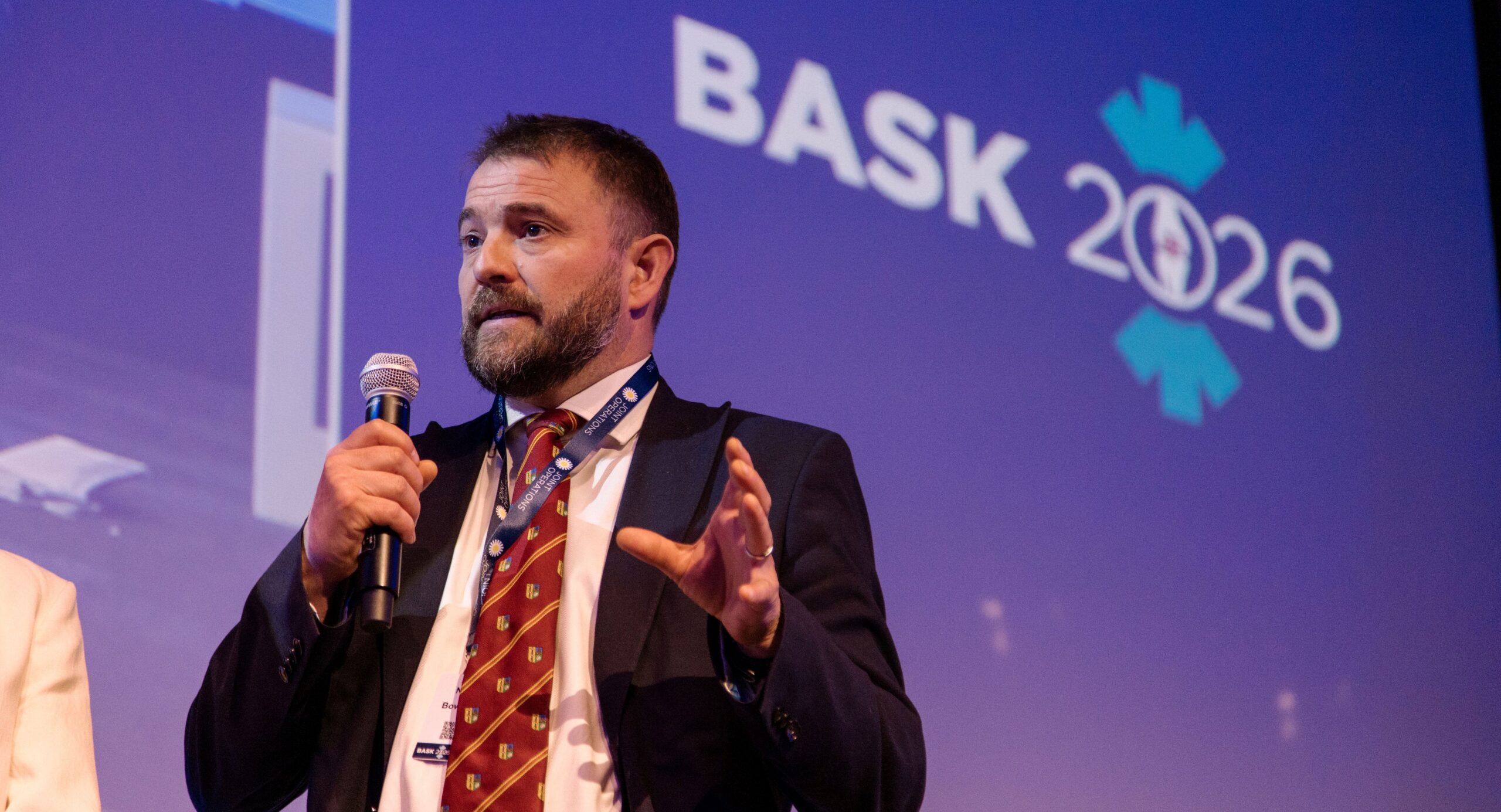
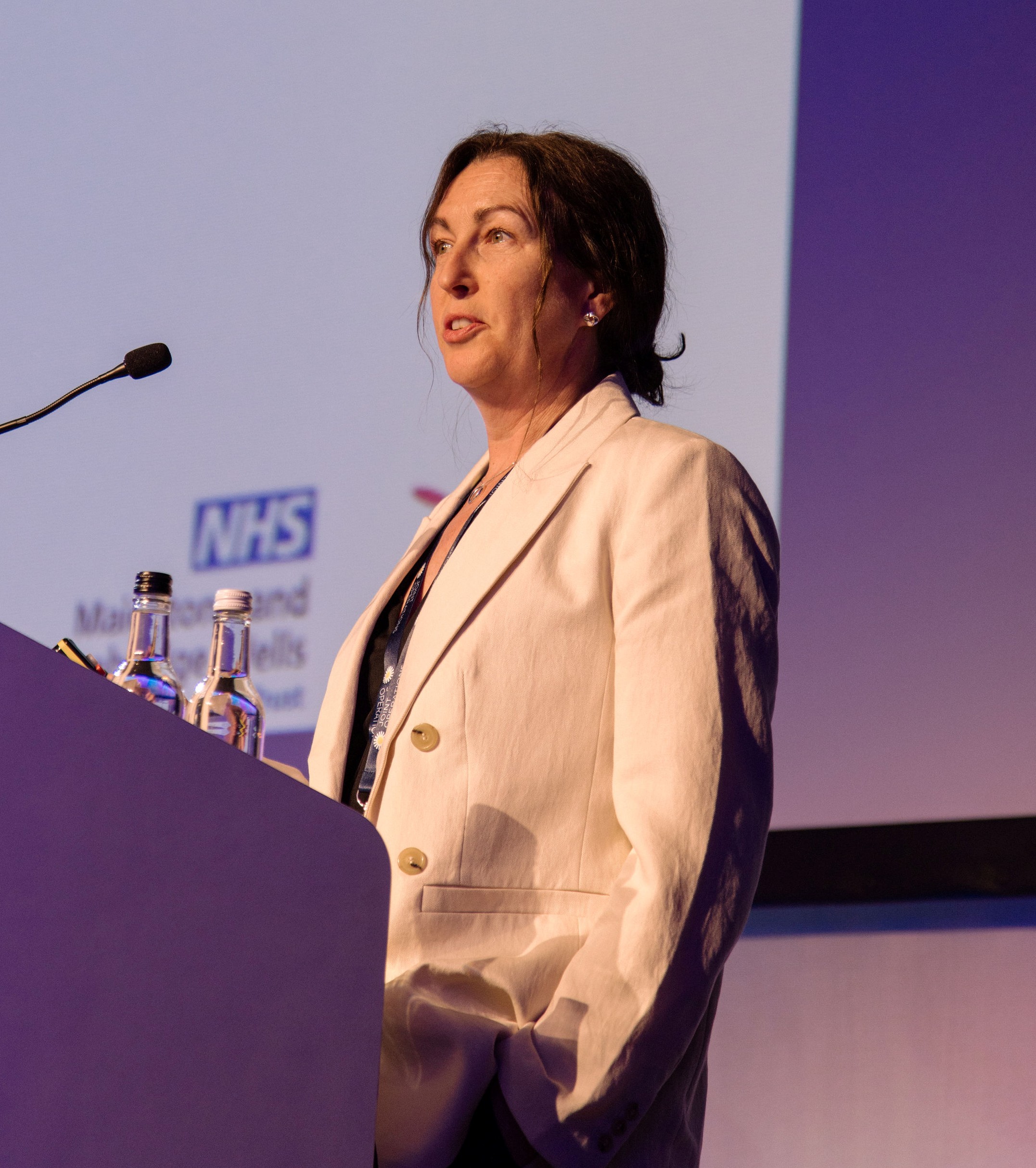 The first patient was operated on in 2021 and Mr Bowman, along with Orthopaedic and Research Physiotherapist, Helen Sankey, presented the results from the first 20 patients at the British Association for Surgery of the Knee (BASK) conference in Glasgow last month, receiving the Best Podium Presentation prize for their work.
Two years after the surgery, excellent outcomes have been reported for the first patients – all aged between 10 and 17 – who have returned to sport at the same level as before their injury. It is usual to expect some of the children would have reinjured their ACL graft in the first two years but none of these study patients experienced any injuries to their reconstructed ACL and their growth has been unaffected.
Six months after the surgery, all the donor parents scored their leg function the same as it was before the operation, and one has since completed an ultramarathon!
To date, 53 patients have had surgery has part of this pioneering trial and the team will continue to report results.