
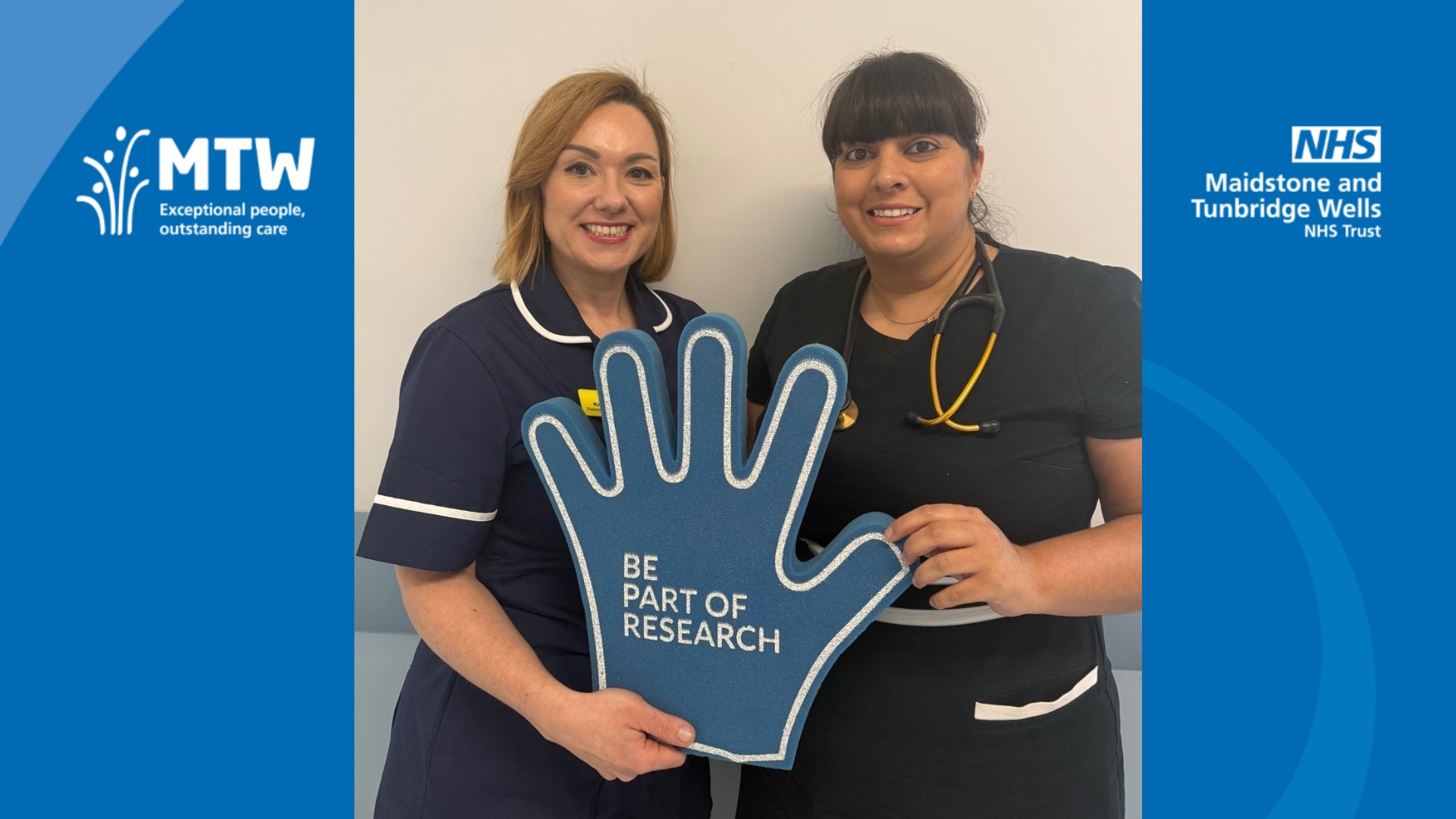
A research hub for a clinical study aiming to detect the early signs of pancreatic cancer in people with type 2 diabetes has been set up at Maidstone and Tunbridge Wells NHS Trust (MTW).
Around 240,000 patients are diagnosed with type 2 diabetes every year in England. The condition occurs when a person’s body is unable to produce enough of a hormone called insulin, or when the insulin produced doesn’t work properly. Insulin helps the body to use glucose (sugar) for energy, and low insulin causes the level of glucose in the blood to become too high. This can lead to complications including heart disease and nerve problems.
Unlike type 1 diabetes, which is an autoimmune condition, type 2 diabetes can be caused by obesity, but other factors also put people at risk, including ethnicity and family history.
People with type 2 diabetes have a higher risk of having pancreatic cancer without knowing, as are those with newly raised blood glucose levels that may indicate emerging diabetes. This is because the cancer can damage the insulin-producing cells and therefore be mistaken for type 2 diabetes. Approximately one in four patients with pancreatic cancer in the UK are first diagnosed with type 2 diabetes.
There is currently no established screening test for pancreatic cancer, which is difficult to diagnose in its early stages. Once at an advanced stage, treatment options are limited and survival rates are poor. Outcomes for patients are significantly improved if the disease is caught early, with possible treatment including surgery to remove the cancer.
The SAFE-D study pilot is trialling whether a new type of blood test can identify the early signs of pancreatic cancer in individuals with new onset type 2 diabetes.
The study is led by Mr Zaed Hamady, a consultant surgeon specialising in pancreatic cancer at the University Hospital Southampton NHS Foundation Trust, and is run by the Southampton Clinical Trials Unit in collaboration with a US biotechnology company.
As a regional SAFE-D research hub for the south east, MTW has been running the pilot throughout February and March, with the aim to progress to a full national study.
Kasha Hobbs, Diabetes Research Nurse, and Dr Samantha Anandappa, Lead for Diabetes and Endocrinology and Principal Investigator for the study (both pictured), have been delivering SAFE-D at the Trust.
Speaking about what the study involves, Kasha explained: “Invitations to the study are sent by GP surgeries to individuals who are aged 50 to 84 years old and have been diagnosed with type 2 diabetes or newly raised blood glucose levels in the past six months. Eligible individuals can also self-refer and book an appointment on the SAFE-D website.
“As part of the study, participants provide a blood sample three times over 12 months and are randomly allocated to receive the new blood test.
“If the new test returns a ‘detected’ result, meaning a cancer signal has been detected, the participant and their GP will be notified, and the SAFE-D team will arrange for a follow up MRI or CT scan to help rule out pancreatic cancer.”
Data from the pilot study will help determine whether the new test can become a reliable tool for people with new onset type 2 diabetes in the future, detecting pancreatic cancer in its early stages when it is more curable.
Describing the potential benefits from the SAFE-D study, Dr Anandappa said: “If shown to be effective, the new blood test could make a life-changing difference to thousands of people with newly diagnosed type 2 diabetes by supporting earlier pancreatic cancer diagnosis and enabling them to access treatment sooner.
“The findings may also help shape future screening programmes for high-risk groups, offering long term benefits for patient care.”
To find out more about the study, including how eligible people can take part, visit the SAFE-D website.