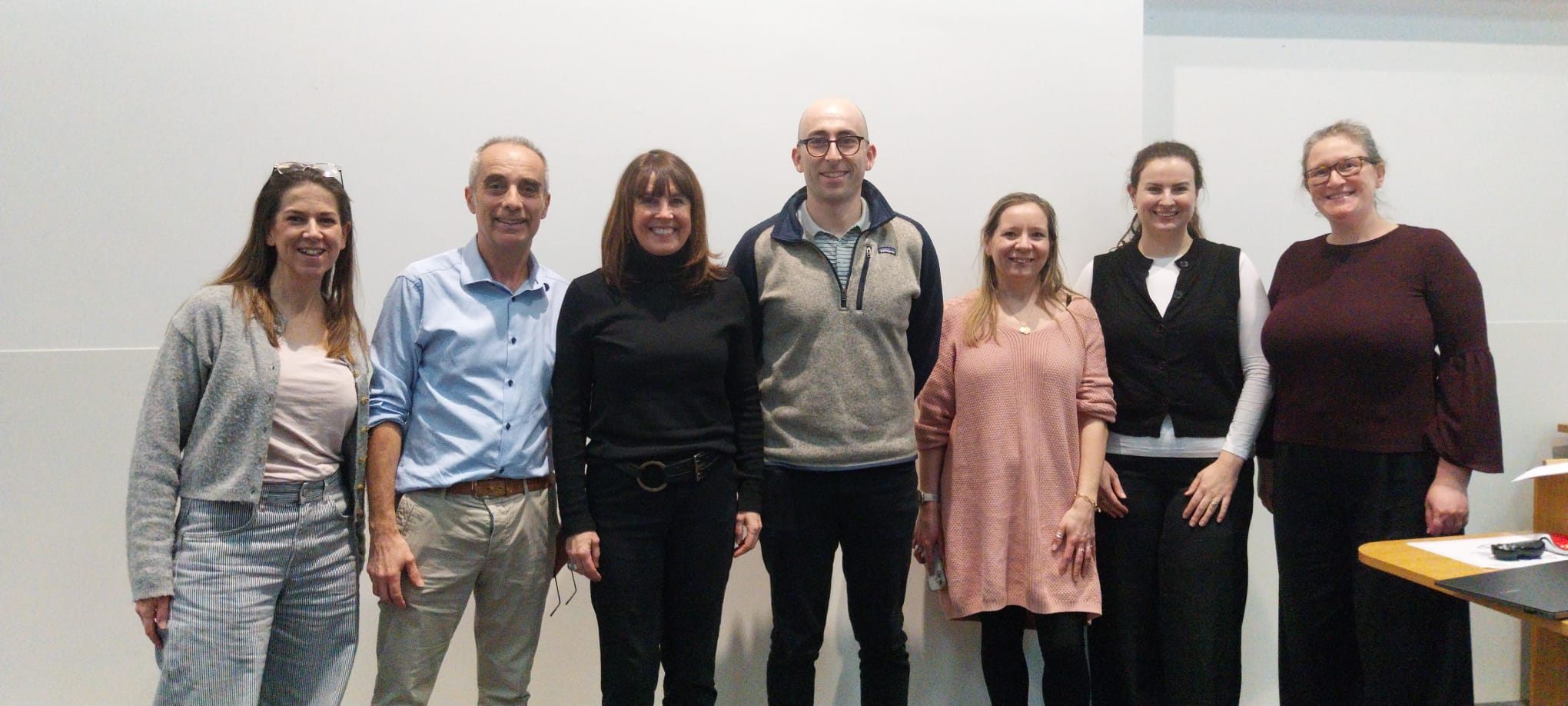
A study day at Maidstone Hospital brought together therapists and doctors working with children with complex upper limb issues.
The Complex Paediatric Upper Limb Service provides highly specialised support for children and young people with neurological conditions such as cerebral palsy, who experience functional difficulties using their upper limbs. A fundamental part of the service is its multidisciplinary approach.
The service is led by Mr Marcos Katchburian, an orthopaedic surgeon specialising in hand surgery and paediatric orthopaedics, who developed the service into a regional referral centre and treats children with a range of paediatric orthopaedic conditions, helping improve their ability to use their hands.
A key member of the service is Heidi Furr, a senior paediatric occupational therapist with extensive experience in motor disorders such as cerebral palsy. Working collaboratively with children and young people, she provides specialist assessment through play-based and functional tools to enable the child or young person to be as independent as possible and coordinates therapy programs pre and post intervention.
Together, they developed and ran a study day titled “The Upper Limb in Cerebral Palsy” to bring together therapists and doctors working with children with complex upper limb issues, to connect, share ideas and discuss the management of these patients.
Occupational therapists, doctors and physiotherapists from across Kent, Surrey and Sussex attended the event, which included practical sessions on ultrasound anatomy, the use of botulinum toxin in upper limb cerebral palsy, surgical interventions and hand therapy.
The study day also included positive discussions on working with community services to create a regional care pathway for children and young people with arm and hand difficulties due to cerebral palsy. A number of the therapists who attended are also planning to share the interactive anatomy learning with clinicians in their local services.
Heidi Furr commented on the positive feedback the day received, with attendees describing how useful they felt the day was, noting it was well organised, with high quality talks. She added: “There was great feedback about the interactive anatomy lectures involving body paint and using ultrasound machines to locate and identify muscles of the arm and hand.”